Vent cleaning and repair
Dryer Vent Cleaning in Charlotte, NC
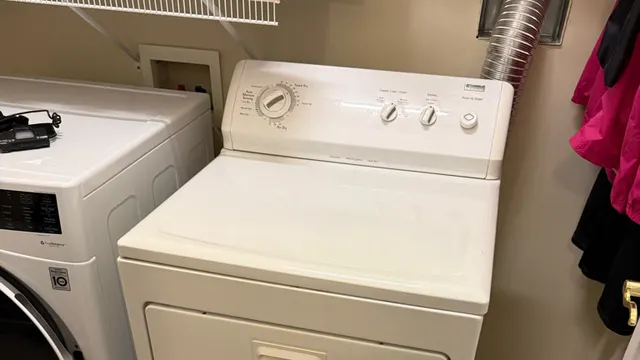
A dryer can only dry as fast as it can push hot, wet air outside. Our dryer vent cleaning service in Charlotte clears lint from the whole run, from the back of the machine through the wall, attic or roof to the hood outside. If the duct is crushed, disconnected or blocked at the hood, we repair it on the same visit.
Call 980-535-6472- Dryer
- Transition duct
- Wall run
- Exterior hood
Signs of a clogged or crushed vent
If two or more of these sound familiar, the vent likely needs cleaning. A clogged vent can make a healthy dryer look broken and burn out new parts.
- Towels and jeans need two or three cycles to dry
- Clothes come out hot to the touch but still damp
- The top or sides of the dryer are too hot to keep a hand on
- The laundry room turns warm and sticky during a load
- Weak or no airflow at the outside hood while the dryer runs
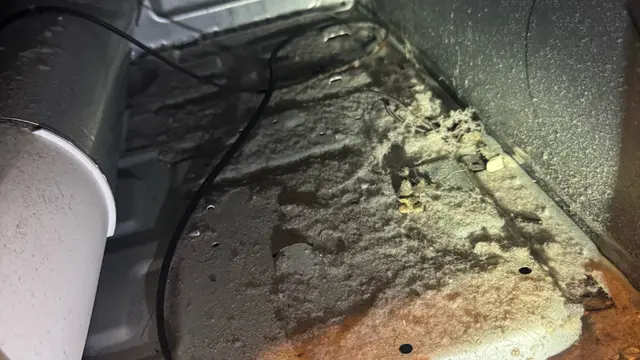
- Lint gathers around the door seal, behind the dryer or on the floor
- A burning or hot-dust smell during the cycle
- The dryer shuts off or stops heating before the cycle ends
How we clean a dryer vent
- Check the airflow
With the dryer running, we check airflow at the outside hood, so we know how restricted the vent is before we start.
- Clean the full run
We disconnect the dryer and run rotary brushes through the duct while a vacuum pulls the loosened lint out. On roof runs we work from inside, and from the roof cap when it can be reached safely.
- Clear both ends
We clean the exterior hood and its flap, the transition duct behind the dryer and the lint screen housing.
- Reconnect and test
We reconnect the dryer, seal the joints with foil tape and run a heated cycle to confirm strong airflow at the hood.
What we check and fix
Our inspection follows the air the way it travels, from the back of the dryer to the hood outside, stop by stop.
-
Behind the dryer
Transition ductThe short flexible piece between the dryer and the wall is the most common problem spot. We look for kinks, crushing from a dryer pushed too far back, loose clamps and a duct that has slipped off entirely. Plastic or thin foil hose gets replaced with a listed metal transition duct.
-
Inside the walls
Lint buildup in the runLint that gets past the screen settles in the duct, most of all at elbows and on long runs up to the roof or through the attic. We brush and vacuum the full run and check the airflow again when we are done.
-
Joints and connections
Disconnected or damaged ductSeparated joints in an attic, crawlspace or wall leak warm, wet air and let lint pile up where you cannot see it. In humid Charlotte summers that moisture can soak insulation and drywall. We reconnect joints with foil tape, not screws, and replace damaged sections we can access.
-
Outside the house
Exterior hoodA hood flap stuck shut, lint packed at the outlet or a bird nest built in spring can block the whole system. Code does not allow screens on a dryer hood because they trap lint, so we remove them, clear the outlet and confirm the flap opens freely when the dryer runs.
When the vent needs repair, not just cleaning
Cleaning will not fix a duct that is crushed, torn or disconnected. When we find damage, we repair it on the same visit wherever we can reach it.
- Plastic or thin foil hose replaced with a listed metal transition duct
- Separated joints reconnected with foil tape, not screws
- Crushed or damaged duct sections we can access replaced
- A stuck or broken hood flap fixed or replaced, and screens that trap lint removed
Why airflow decides drying time and safety
Heat turns the water in clothes into vapor, and moving air carries it outside. When the vent is restricted, that wet air stays in the drum, so the dryer keeps running while clothes stay damp. Every extra cycle adds to your power or gas bill and wears the dryer faster.
Trapped air raises the temperature inside the cabinet. The thermal fuse and high-limit thermostat are built to cut the heat when that happens, so a clogged vent often shows up as a blown fuse, a dryer that stops heating or one that shuts off mid-cycle.
Lint is very flammable, and failure to clean it out is the leading cause of home dryer fires. On gas dryers, a blocked vent can also push carbon monoxide indoors. If you smell burning, stop the dryer, unplug it and let it cool before anyone uses it again.
Dryer vent questions
How do I know if my dryer vent is clogged?
The most common signs are loads that take much longer than they used to, clothes that come out hot but damp, a cabinet too hot to touch and weak airflow at the outside hood. A quick check: with the dryer running, the flap outside should open wide. If you notice a burning smell, stop the dryer and have it checked before the next load.
How often should a dryer vent be cleaned?
At least once a year for most homes, and every six months if the run is long, ends on the roof or serves a dryer that runs daily for a big family or pets. Clean the lint screen after every load and wash it with soapy water every few months, since dryer sheet residue can coat the mesh and block airflow.
Can I use foil or plastic duct behind my dryer?
Plastic and thin foil hose are not a good choice: they crush easily, trap lint in their ridges and can melt or burn. The short piece behind the dryer should be a listed metal transition duct no longer than 8 feet, and the run inside walls should be smooth rigid metal. We replace unsafe hose during the visit.
Can a clogged vent damage my dryer, and do you repair that too?
Yes. Trapped heat blows thermal fuses, wears out high-limit thermostats and heating elements and makes the motor work harder. That is why we check the vent on every dryer repair and the dryer itself on every vent visit. If a part has already failed from the heat, we can replace it during the same visit when we have it on hand.
Slow dryer? Start with the vent.
Tell us what you are seeing and we will check the full exhaust path along with the dryer.
- Where the vent exits: side wall, roof or crawlspace
- About how long the run is and how many turns it makes
- Gas or electric dryer, and the brand
- When the vent was last cleaned, if you know
Calls Mon–Sun, 7:00 AM – 10:00 PM · 980-535-6472